What draws people from around the world to a temple that was once submerged beneath the Nile? Philae Temple Egypt holds more than ancient carvings and hieroglyphs—it tells the story of devotion, resilience, and a daring rescue that saved an entire monument from disappearing forever. Between 1972 and 1980, UNESCO’s engineers and archaeologists moved the sanctuary block by block to its new island home, preserving a cornerstone of Egypt’s spiritual past.
This guide cuts through the generic advice and equips you with everything you need to experience Philae Temple like an informed traveler—from understanding its profound religious significance to knowing exactly what to pack, how long to spend there, and whether you need a guide. Whether you’re planning a comprehensive Aswan Day Tour or considering Philae as a standalone visit, you’ll finish this guide with actionable knowledge that transforms a simple temple visit into an unforgettable journey through mythology, engineering triumph, and timeless beauty.
What Is Philae Temple and Why Does It Matter?
A Sacred Sanctuary to the Divine Feminine
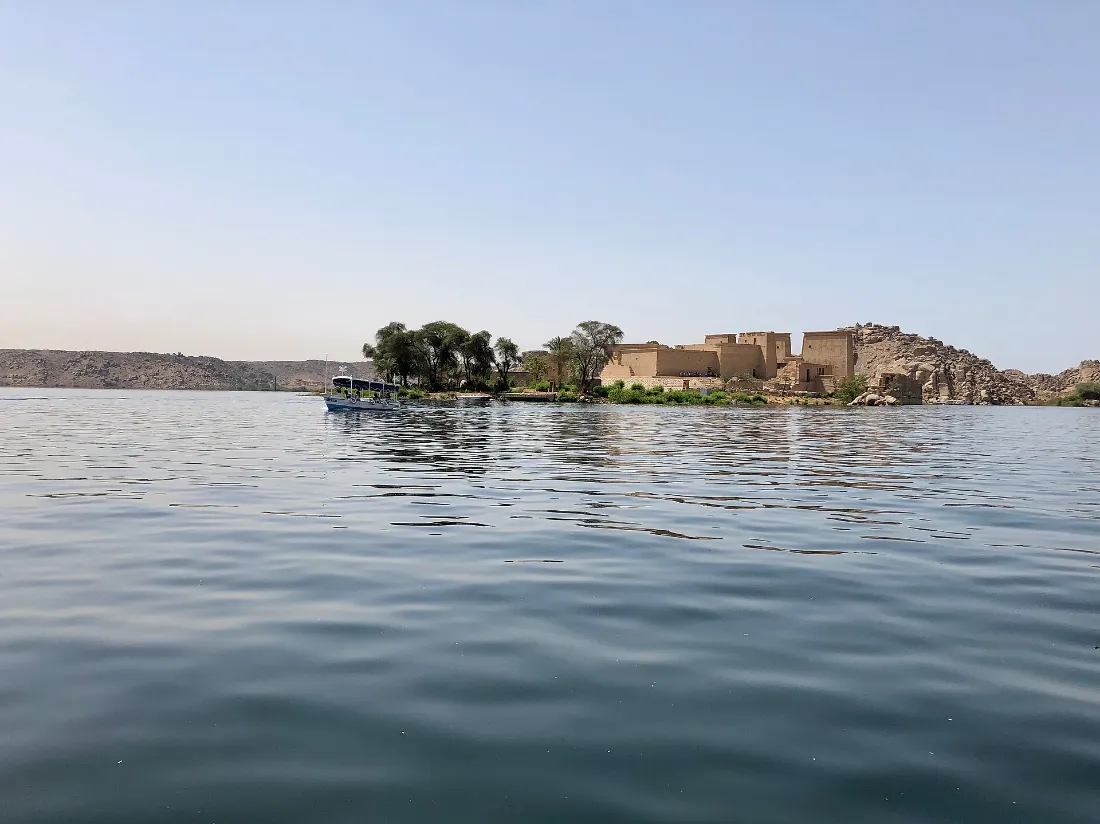
Philae Temple stands as ancient Egypt’s final bastion of traditional religious worship. Located on Agilkia Island near Aswan (after its relocation from the original Philae Island), this magnificent complex was dedicated primarily to Isis—the goddess whose cult spread far beyond Egypt’s borders into the Greek and Roman worlds.
What makes Philae historically exceptional:
- Last temple of the old gods: Religious ceremonies continued here until 550 AD, centuries after Christianity became Egypt’s official religion
- Center of the Isis cult: Pilgrims traveled from across the Mediterranean to worship at this sacred site
- Ptolemaic architectural masterpiece: Built primarily between 380-362 BC with Roman additions, showcasing the elegant fusion of Egyptian and Greco-Roman styles
- UNESCO World Heritage Site: Recognized globally for its cultural significance and the engineering marvel of its relocation
The Osiris Myth Carved in Stone
The temple’s walls tell one of humanity’s most influential stories: the murder of Osiris by his jealous brother Seth, Isis’s devoted search for her husband’s scattered remains, and the miraculous resurrection that led to Horus’s birth. These aren’t just decorative scenes—they’re sacred texts that shaped Egyptian concepts of death, rebirth, and eternal life for millennia.
For modern visitors, understanding this mythology transforms reliefs from pretty pictures into profound spiritual narratives. The temple becomes a three-dimensional storybook where every colonnade, pylon, and sanctuary room played a role in ritual performances that kept the cosmos in balance.
Why Philae Deserves Prime Position on Your Egypt Itinerary?
Unlike the massive scale of Karnak or the royal grandeur of Abu Simbel, Philae Temple offers something different: intimacy. The island setting, the boat journey, the well-preserved reliefs depicting goddess worship rather than pharaonic conquest—all combine to create an atmospheric experience that many travelers rate as their most memorable Egyptian temple visit.
The relocation story adds another layer of significance. You’re not just viewing an ancient monument; you’re witnessing the results of international cooperation and engineering genius that saved this treasure from permanent submersion.

The Extraordinary Relocation: How, Why, and When Philae Temple Was Moved
The Crisis That Threatened Philae’s Survival
When Egypt constructed the first Aswan Dam in 1902, Philae Island began experiencing seasonal flooding. The temple spent months each year partially submerged, its stones soaking in water that gradually eroded hieroglyphs and destabilized structures. The subsequent construction of the Aswan High Dam in the 1960s created an existential threat: Lake Nasser would permanently drown the island and temple beneath its waters.
This wasn’t just Egypt’s problem—it was humanity’s. The international community recognized that losing this Temple would mean erasing an irreplaceable chapter of human cultural heritage.
The UNESCO Rescue Operation (1972-1980)
The solution required unprecedented archaeological ambition and engineering precision. Here’s how they accomplished the impossible:
- Phase 1: Protection and Documentation Engineers constructed a massive cofferdam around Philae Island, creating a dry working environment while Lake Nasser continued rising around them. Meanwhile, archaeologists photographed, measured, and numbered every single stone block—more than 40,000 pieces creating a three-dimensional puzzle.
- Phase 2: Careful Dismantling Teams carefully disassembled the entire temple complex, maintaining meticulous records of each block’s original position, orientation, and neighboring stones. Any mistake would make accurate reconstruction impossible.
- Phase 3: Island Preparation Agilkia Island, located 500 meters from the original site, was reshaped using explosives and earthmoving equipment to match Philae Island’s original topography. Even the landscaping was replicated to preserve the temple’s aesthetic relationship with its surroundings.
- Phase 4: Reconstruction Every stone was transported to Agilkia and reassembled in its exact original position. The result is so accurate that visitors cannot tell the temple was ever moved—except for the water now covering the original island site.
- The Investment: Approximately $30 million USD (1970s value), funded by UNESCO member countries and demonstrating unprecedented global commitment to cultural preservation.
What This Means for Your Visit?
Understanding this relocation transforms how you perceive every stone you see at Philae. The temple’s very existence represents humanity’s determination to preserve cultural memory against overwhelming odds. That context adds profound appreciation to your visit—you’re not just touring an ancient site but witnessing the fruits of one of archaeology’s greatest achievements.
Do You Need a Guide? Making the Right Choice for Your Visit
When a Guide Adds Significant Value?
You’ll benefit from hiring a professional guide if:
- You want detailed explanations of the Osiris mythology depicted in the reliefs
- You’re interested in understanding hieroglyphic meanings and symbolism
- You prefer someone to handle logistics (boats, tickets, timing)
- You want to learn about the UNESCO relocation project’s technical details
- You have limited time and need efficient information delivery
What quality guides provide:
- Identification of easily-missed details (hidden Coptic crosses, specific deity identifications)
- Context about why certain scenes appear in particular temple locations
- Stories about ancient pilgrimage practices and ritual ceremonies
- Answers to spontaneous questions as they arise during exploration
The best way to secure knowledgeable guides is through reputable tour operators offering specialized Aswan Day Tours with certified Egyptologists rather than general tour guides. These expertly crafted itineraries ensure you experience Philae Temple with proper context and optimal timing.
When Independent Exploration Works Well?
Solo exploration is perfectly viable if:
- You’ve researched Egyptian mythology and temple architecture beforehand
- You prefer self-paced discovery without time pressure
- You carry reliable reference materials or downloaded apps
- Your primary interests are photography and atmospheric experience
- You’re a return visitor familiar with Egyptian sites
Success strategy for independent visitors: Download comprehensive temple information before arrival (on-site internet is limited), bring a detailed site map marking significant reliefs, and allocate at least two hours for unhurried exploration.
The Hybrid Approach
Many savvy travelers hire guides for the first 45-60 minutes to gain orientation and key insights, then explore independently afterward. This provides foundational knowledge while preserving personal discovery time—offering the best of both approaches. Our Aswan Day Tour packages offer flexible guide options that accommodate this preference.
What to Bring and Wear: Your Philae Temple Packing Guide
Dress Code and Clothing Strategy
While Philae doesn’t enforce strict religious dress codes, smart clothing choices dramatically impact comfort and experience quality.
Optimal clothing:
- Lightweight, breathable fabrics in light colors (cotton or moisture-wicking materials)
- Modest coverage: Long pants or knee-length skirts/shorts; shirts covering shoulders
- Comfortable walking shoes with good grip for uneven stone surfaces—avoid flip-flops
- Wide-brimmed hat for essential sun protection
- Sunglasses with polarized lenses to reduce water and stone glare
Photography consideration: Avoid bright white clothing that creates exposure challenges. Earth tones and muted colors photograph better against sandstone architecture.
Leave behind:
- Large backpacks (cumbersome in boats and crowds)
- Drones (strictly prohibited without special permits)
- Selfie sticks (banned to prevent accidental damage to ancient surfaces)
The Sound and Light Show: An Evening Experience Worth Considering
What Makes the Philae Sound and Light Show Special?
Unlike typical tourist shows, the Philae evening presentation uses the temple’s architecture as a theatrical canvas. Different sections of the temple are illuminated in carefully choreographed sequences while professional narration tells the myths of Isis and Osiris, creating dialogue between architectural elements.
Show details:
- Duration: 50-60 minutes
- Languages: Multiple nightly showings (English, Arabic, French, German, Spanish, Italian)
- Schedule: Typically 6:45 PM and 8:00 PM showings (varies by season)
- Viewing: Seated positions on boats or designated viewing areas
What audiences experience:
- Temple columns and pylons becoming stage elements in light choreography
- Emotional narration bringing ancient mythology to life
- The mystical atmosphere amplified by water surroundings and night sky
- Cooler evening temperatures year-round
Booking Strategy and Recommendations
When to book: During peak season (October-April), English-language shows often sell out 2-3 days in advance. Our Sound and Light Show tour handles all reservations and transportation, ensuring you secure optimal seating without last-minute stress.
Who should attend:
- History enthusiasts wanting deeper mythological storytelling
- Visitors with limited mobility who prefer seated experiences
- Those who’ve seen the temple during daylight and want contrasting perspectives
- Romantic travelers seeking unique evening experiences
Combination strategy: Many visitors successfully combine morning temple exploration with evening show attendance, experiencing both detailed architectural examination and theatrical presentation in a single day. Our Aswan Day Tour with Sound and Light Show package offers this perfect combination with strategic timing that maximizes comfort and experience quality.
Accessibility Considerations: What Visitors with Mobility Challenges Should Know
Honest Assessment of Accessibility Barriers
Philae presents legitimate challenges that visitors with mobility limitations should understand before planning:
Significant barriers:
- Boat boarding: Requires stepping into vessels that may rock slightly; no wheelchair-accessible boats currently operate
- Uneven surfaces: Ancient stone paving with irregular levels, steps between sections, and raised doorway thresholds
- Limited facilities: No wheelchairs available for loan; island lacks paved wheelchair-friendly pathways
- Elevated sections: Some impressive reliefs accessible only via ancient stone stairs
What IS Accessible?
For visitors with limited mobility who can walk short distances with assistance:
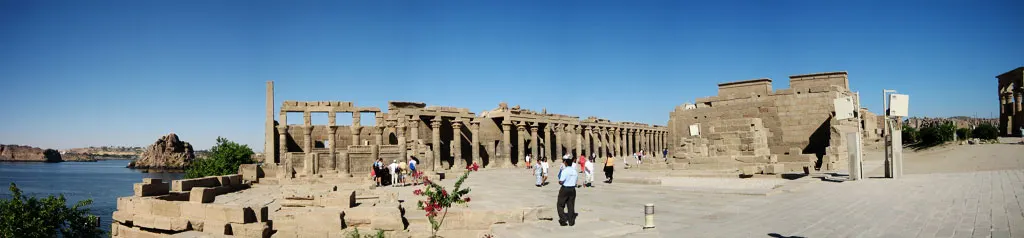
- Main courtyard and first pylon area are relatively flat
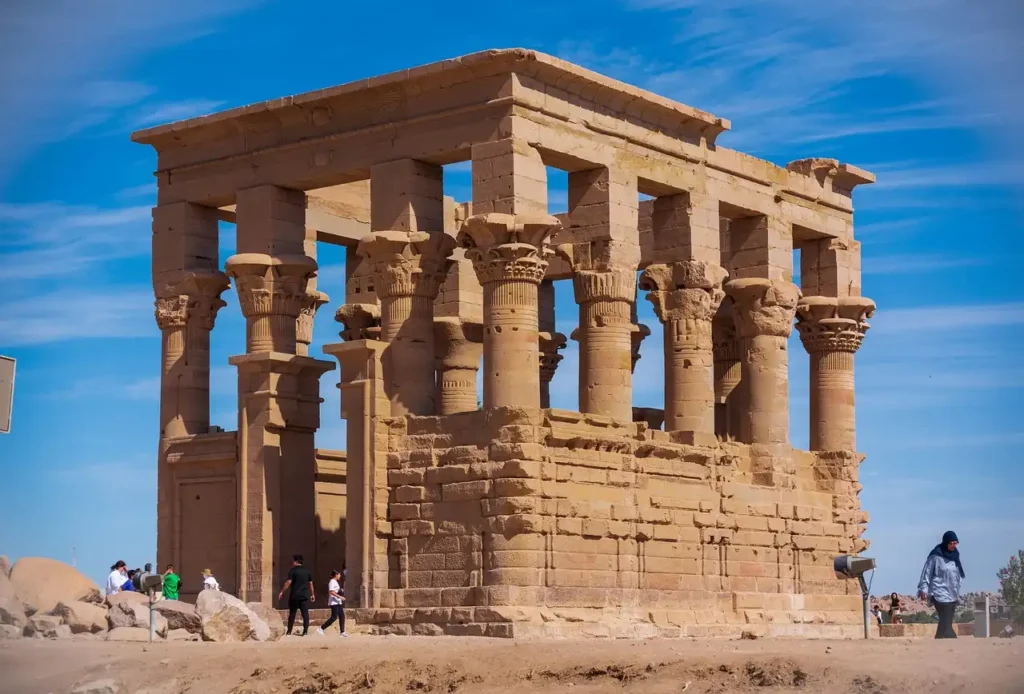
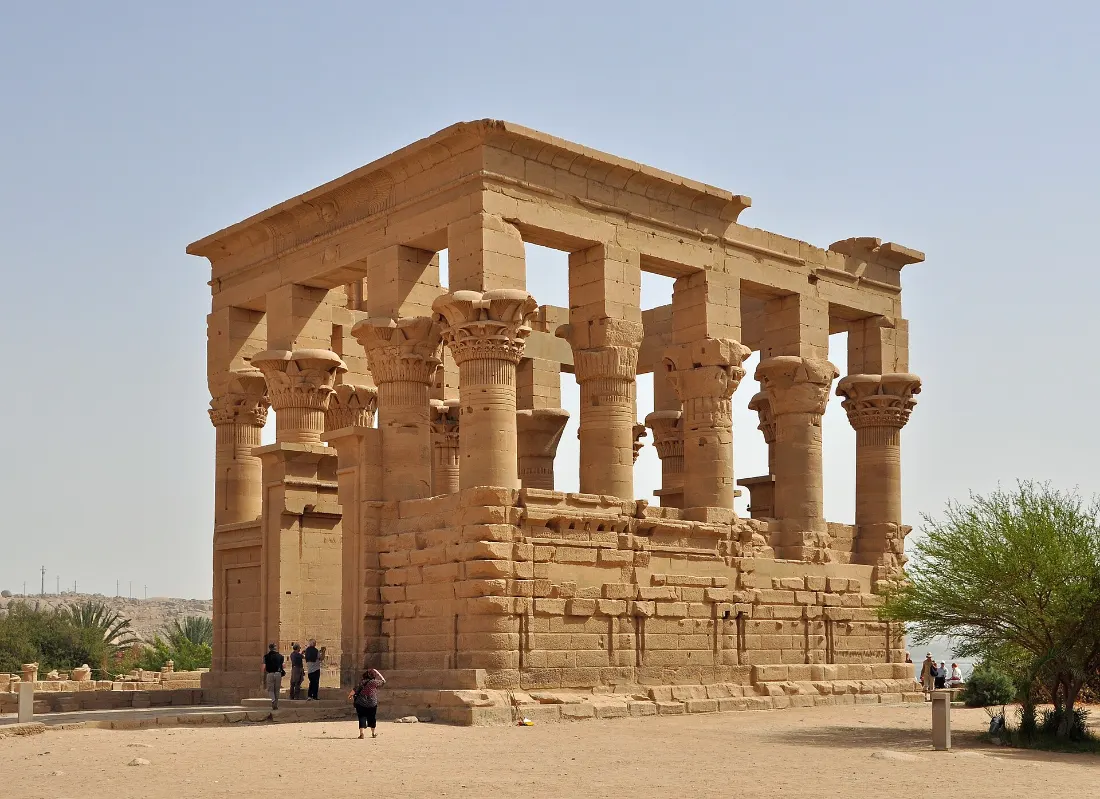
- Trajan’s Kiosk (most photographed structure) is reachable without significant stair climbing
- Several major relief-covered walls visible from ground-level positions
- Private tours can arrange extra boat boarding assistance and strategic rest breaks
The Sound and Light Show alternative: For visitors with significant mobility challenges, theSound and Light Show provides comprehensive temple experience with seated viewing. This allows appreciation of beauty and history without navigating challenging terrain.
Booking Recommendations
When reserving Aswan Day Tours, explicitly communicate mobility limitations to operators before booking. Reputable companies can arrange private boat transfers with experienced crew, provide detailed accessibility information about which temple sections are reachable, and suggest alternative Aswan attractions with better accessibility if needed.
Important reality: Ancient temples cannot be retrofitted for complete accessibility without compromising historical integrity. Visit with realistic expectations and appreciate what you can experience.
Combining Philae with Other Aswan Experiences
Classic Aswan Day Tour Combination
Morning itinerary (4-5 hours):
- Philae Temple (7:00 AM start, 2 hours on-site) for best light and smallest crowds
- Aswan High Dam (30-minute visit) to understand why relocation was necessary
- Unfinished Obelisk (30-minute visit) demonstrating ancient stone-working techniques
This combination provides architectural diversity, engineering context, and historical progression. Our Aswan Day Tour follows this proven sequence because it maximizes morning coolness and creates logical thematic flow.
Extended Abu Simbel Connection
Intensive full-day itinerary (12-14 hours):
- Early Philae Temple visit (7:00-9:00 AM)
- Drive to Abu Simbel (3-3.5 hours)
- Abu Simbel temple exploration (2-3 hours)
- Return to Aswan
- Optional evening Sound and Light Show
This aggressive schedule works for travelers with limited time wanting to maximize UNESCO World Heritage Site visits in a single day. Our Abu Simbel Day Tour from Aswan can be customized to include early Philae access for the ultimate temple experience.
Leisurely Two-Day Aswan Strategy
Day 1: Morning Philae Temple comprehensive visit via our Aswan Day Tour, afternoon Nubian Village cultural experience, evening felucca sailing
Day 2: Full-day Abu Simbel excursion or Philae Sound and Light Show
This pacing reduces travel fatigue while providing richer cultural immersion and allowing for spontaneous discoveries.
Final Recommendations: Your Next Steps to an Exceptional Philae Experience
You now possess insider knowledge that elevates your Philae Temple visit from generic sightseeing to meaningful cultural experience. Here’s how to act on this information:
For photography enthusiasts and crowd-avoiders: Book early-morning starts (7:00 AM) through our small-group Aswan Day Tours. We confirm Philae is the first stop and budget 2.5 hours for optimal exploration.
For history lovers: Combine our guided daytime Aswan Day Tour with certified Egyptologists and evening Sound and Light Show attendance. This comprehensive approach invests 4-5 hours total across both visits for maximum understanding.
For time-constrained travelers: Focus on our well-structured Aswan Day Tours combining Philae Temple, High Dam, and Unfinished Obelisk. Our itineraries allocate minimum 2 hours for Philae itself—never rushed, always meaningful.
For comprehensive experience seekers: Dedicate two full days—one for thorough morning visit to Philae plus Nubian cultural experiences, one for our Abu Simbel Day Tour.
Take Action Now
Don’t let this knowledge sit unused. The difference between a forgettable temple visit and an unforgettable experience often comes down to advance planning and choosing the right tour structure.
Ready to experience Philae Temple with expert guidance and optimal timing? Explore our carefully crafted Aswan Day Tours designed by Egyptology specialists who understand exactly how to maximize your time at this sacred island sanctuary. Our tours prioritize early access, knowledgeable guides, and flexible pacing that respects both the temple’s significance and your comfort.
Whether you’re interested in our comprehensive Aswan Day Tour, the magical Sound and Light Show experience, or combining Philae Temple with the spectacular Abu Simbel temples, we have the perfect itinerary for your Egyptian adventure.
Contact our travel planning team today to customize your perfect Aswan experience—because Egypt’s most enchanted island temple deserves more than a rushed, generic visit.
Frequently Asked Questions
Can I visit Philae Temple independently without a tour?
Yes, independent visits are completely feasible. You’ll need to arrange taxi transportation to the boat marina (approximately 12 km from Aswan center), purchase admission tickets, and take the motorboat to the island. However, our Aswan Day Tours provide expert guides, handle all logistics, and often include multiple sites for better value.
What’s the best time of year to visit Philae?
October through April offers the most comfortable temperatures for outdoor exploration (20-30°C/68-86°F). May through September brings intense heat (35-45°C/95-113°F) but dramatically fewer crowds. Early morning visits work well year-round, which is why our Aswan Day Tours prioritize 7:00 AM departures.
Is photography allowed inside Philae Temple?
Yes, photography is permitted throughout the temple complex for personal use. Some interior sanctuaries may have restrictions, and professional equipment (tripods, external flash) may require special permits. Drones are strictly prohibited.
How long should I spend at Philae Temple?
We recommend allocating 2-2.5 hours for thorough exploration that includes the boat journey, walking through all major sections, photography, and absorbing the atmosphere without rush. Our Aswan Day Tours build this optimal timing into itineraries, ensuring you never feel hurried through this magnificent site.
Can I visit both Philae Temple and Abu Simbel in one day?
Yes, though it requires early starts and creates a long day (12-14 hours total). The most efficient approach combines early-morning Philae (7:00-9:00 AM) with mid-morning departure for the 3-3.5 hour drive to Abu Simbel. Our Abu Simbel Day Tour from Aswan can be customized to include Philae for travelers wanting to maximize UNESCO World Heritage experiences.